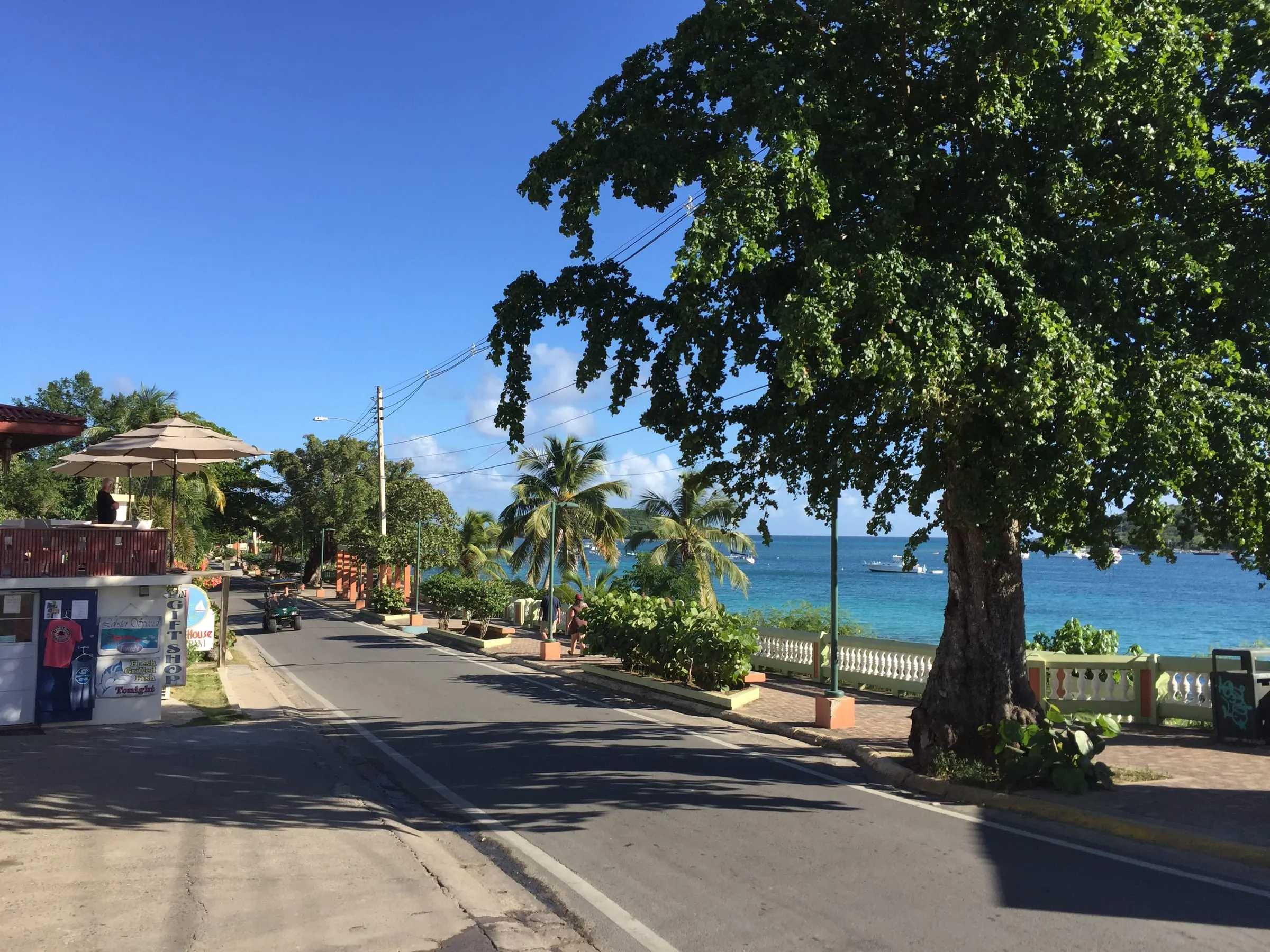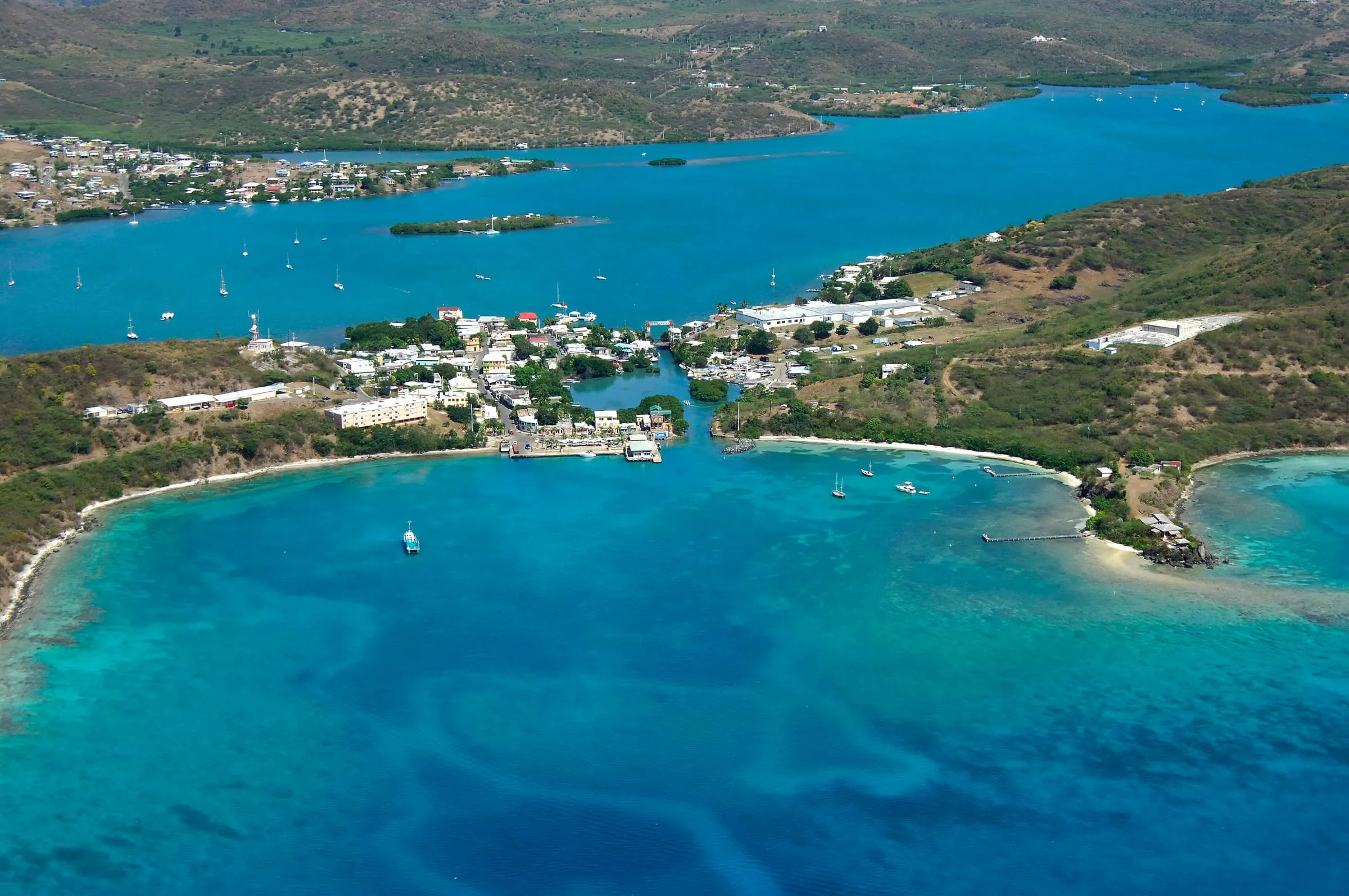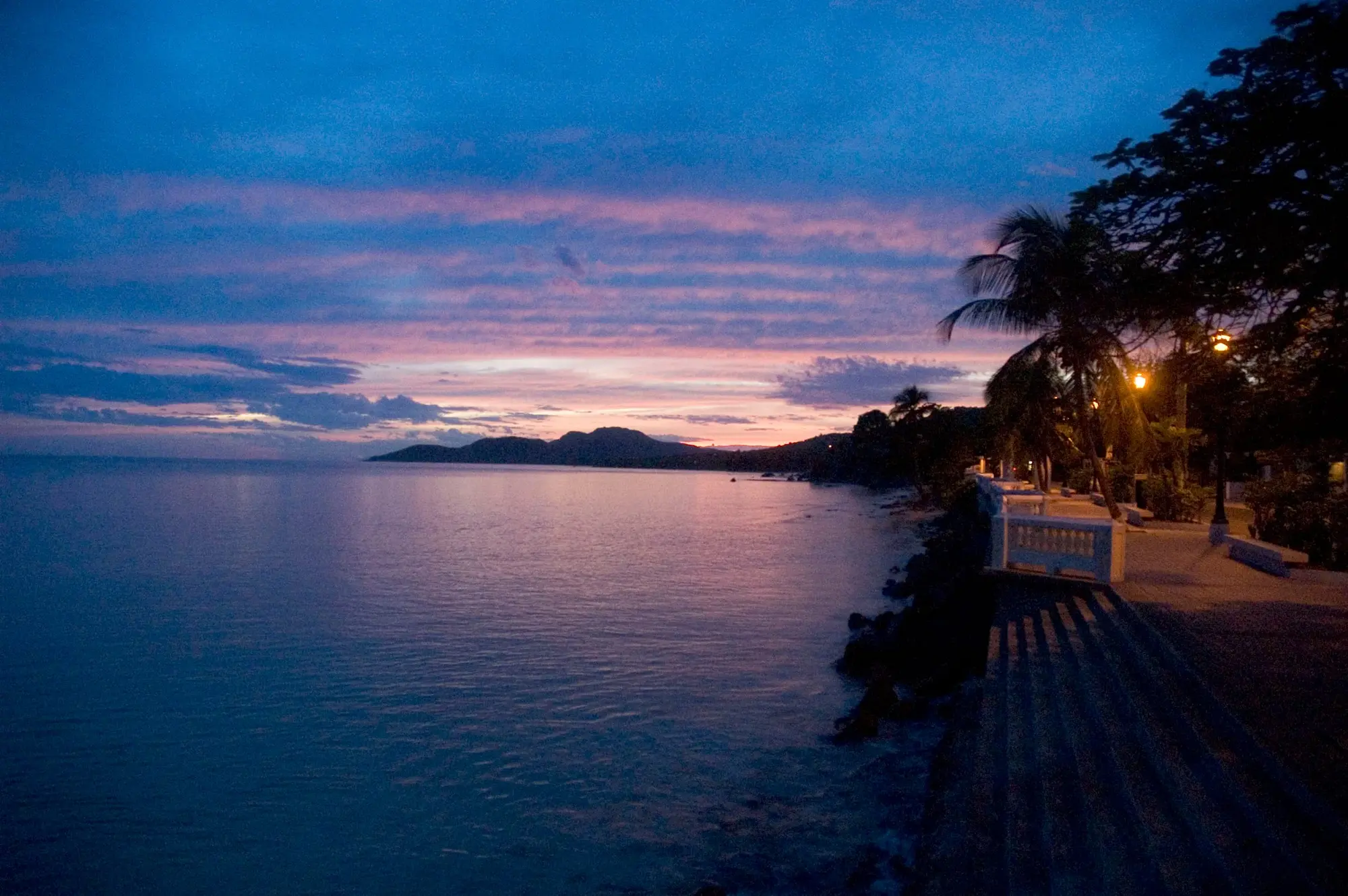
The two islands have no chain hotels, no resort strip and no front desk open at two in the morning. What they have instead is guesthouses and small inns, most of them owner-run, and houses, villas and apartments rented out whole. That changes how you book, and it changes what can go wrong.
There are no chains, and that is the whole shape of it
Puerto Rico’s own tourism board is direct about Culebra:
“You won’t find any chain hotels here, but numerous vacation rentals and small inns will make your tropical getaway feel like home.”
And about Vieques:
“With nary a mega-resort in sight, la Isla Nena (‘little girl island,’ a local nickname for Vieques) appeals to travelers searching for beautiful scenery, intimate accommodations, and plenty of peace and quiet.”
Read “intimate accommodations” as a description of scale, not a marketing adjective. These are properties with a handful of rooms, most of them run by their owners, which is lovely when it works and has no backup when it does not.
Most of the places to stay on both islands, though, are not inns at all but whole houses and apartments, rented by the week or the night: on Vieques in and around Esperanza and Isabel Segunda, on Culebra around Ensenada Honda, like nearly everything else there. For Vieques, Vrbo’s list of the island’s rentals, which carries Vieques alone, is linked below after Booking.com’s.
Vieques: Esperanza or Isabel Segunda
Esperanza is the south-coast village with the malecón, most of the restaurants and bars, and the bio bay. Most Mosquito Bay tours meet in the Esperanza town center and take guests to the water by van, and at least one meets at the Sun Bay entrance nearby.
- El Blok — a 30-room hotel on the malecón, across the street from the beach, with its own live music venue, La Tertulia. It takes no guests under 18.
- Malecón House — a 13-room hotel on the malecón with a pool; every room has air conditioning, an en-suite bathroom, a mini fridge and Wi-Fi.
- Hacienda Tamarindo — 17 rooms on a hilltop on Route 996, overlooking Esperanza Bay and its two cays, with a pool.
Isabel Segunda is the north-coast town where the ferry docks, on Morropo Street.
- Casa de Amistad — an eight-room guesthouse in the center of Isabel Segunda, two blocks’ walk from the ferry: turn right, cross the small yellow bridge, left at the first street. The rooms have air conditioning, Wi-Fi and satellite TV, there is a pool, and 36 solar panels on the roof supply nearly all of its power.
The trade. A bed in Isabel Segunda saves you a transfer on the day you land and the day you leave, when públicos are the only way across without a car. A bed in Esperanza saves you one every night you go out, and the bio bay is the night most people come for. If you are renting a jeep anyway, choose for the evenings. Car, jeep and golf cart rental on each island, who rents what and where, is on the getting-around page.
Culebra: around Ensenada Honda
On Culebra there is effectively one answer:
“Most Culebra accommodations are clustered around Ensenada Honda — the large inlet on the island’s southern side where you’ll find restaurants, shops, Benjamín Rivera Noriega Airport, and the ferry terminal.”
Everything is in one place, including the two ways off the island.
- Club Seabourne — a boutique hotel on Route 250, with villas on the hill above Fulladoza Bay, a pool, a bar, breakfast, and its own dock and moorings.
- Villa Boheme — a guesthouse on Calle Fulladosa, with hammocks on the patio.
At Flamenco Beach, at the end of the road out of Dewey, a short drive from the ferry and the town:
- Villa Flamenco Beach — six air-conditioned studio apartments on the beach, each with a kitchen, Wi-Fi and light housekeeping.
- Culebra Beach Villas — villas the tourism board lists at Playa Flamenco, on PR-251.
- The campground on the sand, run by the Culebra Conservation and Development Authority and taken by reservation. The Flamenco Beach page has what to ask for.
Staying at Flamenco buys you the beach before the day boats arrive and after they leave, which is when it looks like the photographs. It costs you a ride into Dewey for meals out and for the ferry, so arrange the transfer, or a golf cart, before you land. If you are weighing a night against a day, the Culebra day trip from San Juan sets out what the day version gets you.
The ferry decides more than the hotel does
This is the part most lodging advice for these islands leaves out. The boat schedule, not the room, sets the shape of your first and last day — the sailings are thin and they sell out, and residents have booking priority.
Two things follow:
- Do not book a property that needs a late arrival transfer until you know which sailing you are on. An evening arrival into Isabel Segunda with a booking on the far side of the island is a bad first night.
- Build a buffer on the way out. If a morning sailing is canceled you need somewhere to be, and a guesthouse with four rooms may not have yours free for another night.
If your crossing is one of the early ones, the night before it needs a bed too, on the mainland side. Our page on hotels near the Ceiba ferry terminal works out when San Juan is close enough and when it is not.
If your trip runs past 31 December 2026, budget for the non-resident ferry fare that is due to rise that day, from $2 to $11.25 plus a $2 fee each way. The figures are on what the ferry costs.
The room tax, and what it does and does not tell you
Puerto Rico taxes every room under the Room Occupancy Rate Tax Act, Act 272–2003. Section 24(B) sets the rates:
| Where you stay | Room tax |
|---|---|
| Hotels — the general rate | 9% |
| Paradores, Posadas de Puerto Rico, certified bed-and-breakfasts | 7% |
| Short-term rentals — homes, villas, apartments | 7% |
| Hotels with a casino | 11% |
The Tourism Company’s own description of the short-term category reaches well beyond hotels, to studios, apartments, homes, villas and
“Other short-term (less than 90 consecutive days) rental properties.”
For a rental, the registration is what counts. The Tourism Company requires short-term hosts to register as innkeepers and hold an innkeeper ID, and it issues a registry certificate to accommodations on the register. A host who quotes a lower price for cash, with no tax on the bill, is telling you they are outside the system — and with it outside any record of your reservation, which becomes your problem if the booking evaporates.
What the Tourism Company says happens to owners who ignore it:
“fines of $500 for each day of infraction, up to a maximum of $25,000.”
with
“penalties, administrative fines and the permanent revocation of promotional benefits and concessions.”
The Room Tax Division answers on (787) 289–1716, (787) 289–1717 and (787) 289–1718.
Culebra’s town government has also required its own license for short-term rentals since 2025, with fines of $500 to $1,000 for hosts who break the rule, as El Nuevo Día reported in April 2025, so on Culebra ask the host for that license as well as the Tourism Company registration.
“Intimate” can mean no air conditioning
The honest illustration of what small-island lodging means comes from the tourism board’s own showcase. Describing a well-regarded eco guesthouse on Vieques, it says:
“There are no TVs, no air-conditioning, and no Wi-Fi, but the forested setting makes this the perfect place to relax your mind and refresh your soul.”
That is a deliberate design choice at that property and people love it. The point for you is that on these islands you cannot assume air conditioning, Wi-Fi or hot water are included the way you would at a mainland hotel. In August, on a Caribbean island, air conditioning is not a detail.
Read what a listing includes rather than assume it, air conditioning above all, and if a power cut would be a safety problem for you, ask the property how it handles one.
The Culebra visitor fee
Non-residents pay two dollars to reach Culebra. Article 3 of Ley Núm. 293 de 2004 sets
“una tarifa adicional de dos (2) dólares a cualquier visitante que ingrese a Culebra o Vieques vía mar”
— an additional two dollars on top of the fare, paid when you buy the ferry ticket. Residents and registered merchants of the island are exempt. A 2024 amendment brought Vieques into the same fund, though the ferry operator’s published material still describes only the Culebra charge.
Why it is not inside the published fare, and the two different start dates you will read for it, are on the ferry costs page.
Book in this order
The crossing first, then the bed on the island you can reach, then the bio bay night if you are on Vieques — around new moon the good tours sell out, and the Mosquito Bay page has the dates. On Culebra, book much earlier than feels necessary. Over Christmas and New Year the order changes, because the December ferry is not on sale until its timetable is out: the holidays page says what to book first.