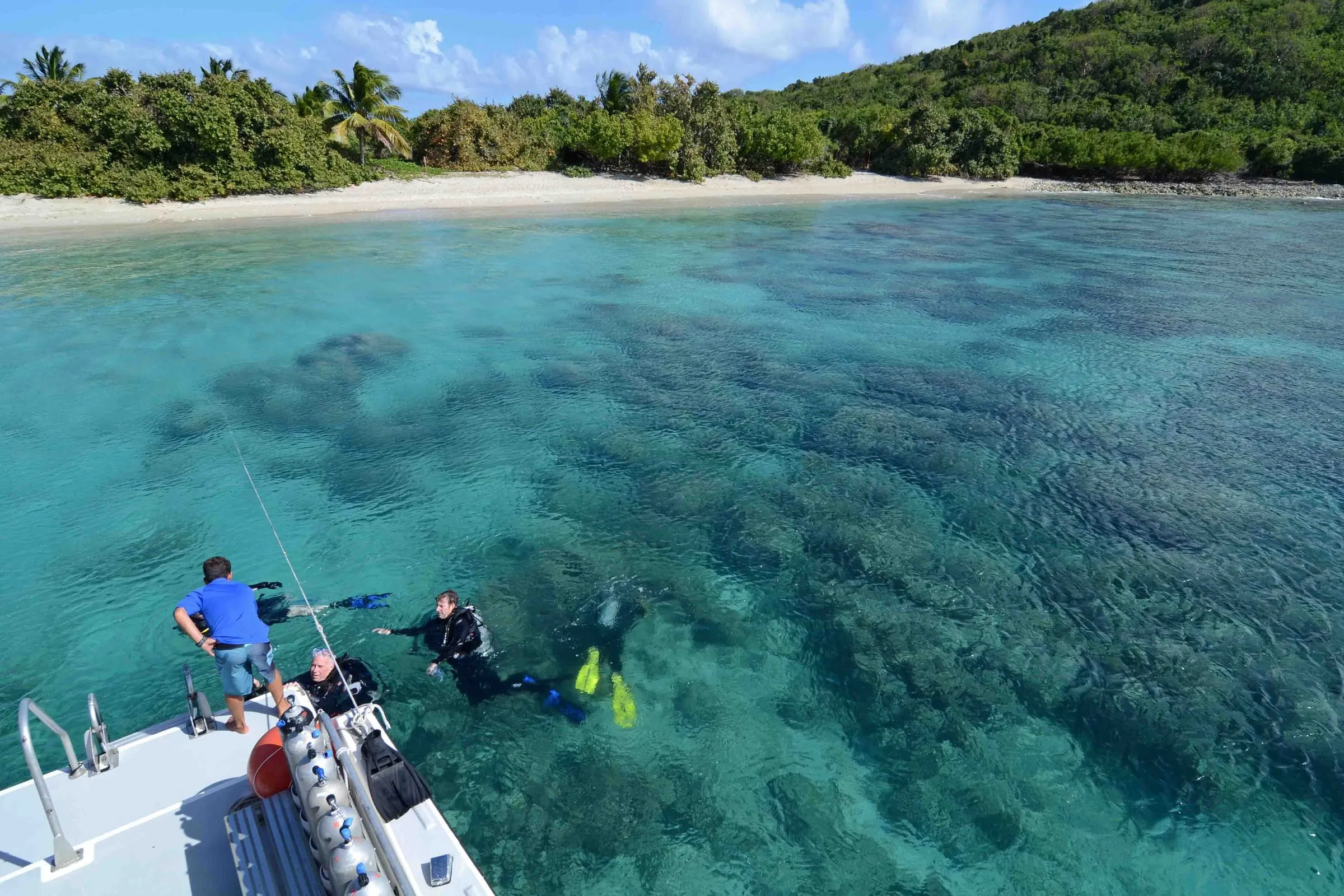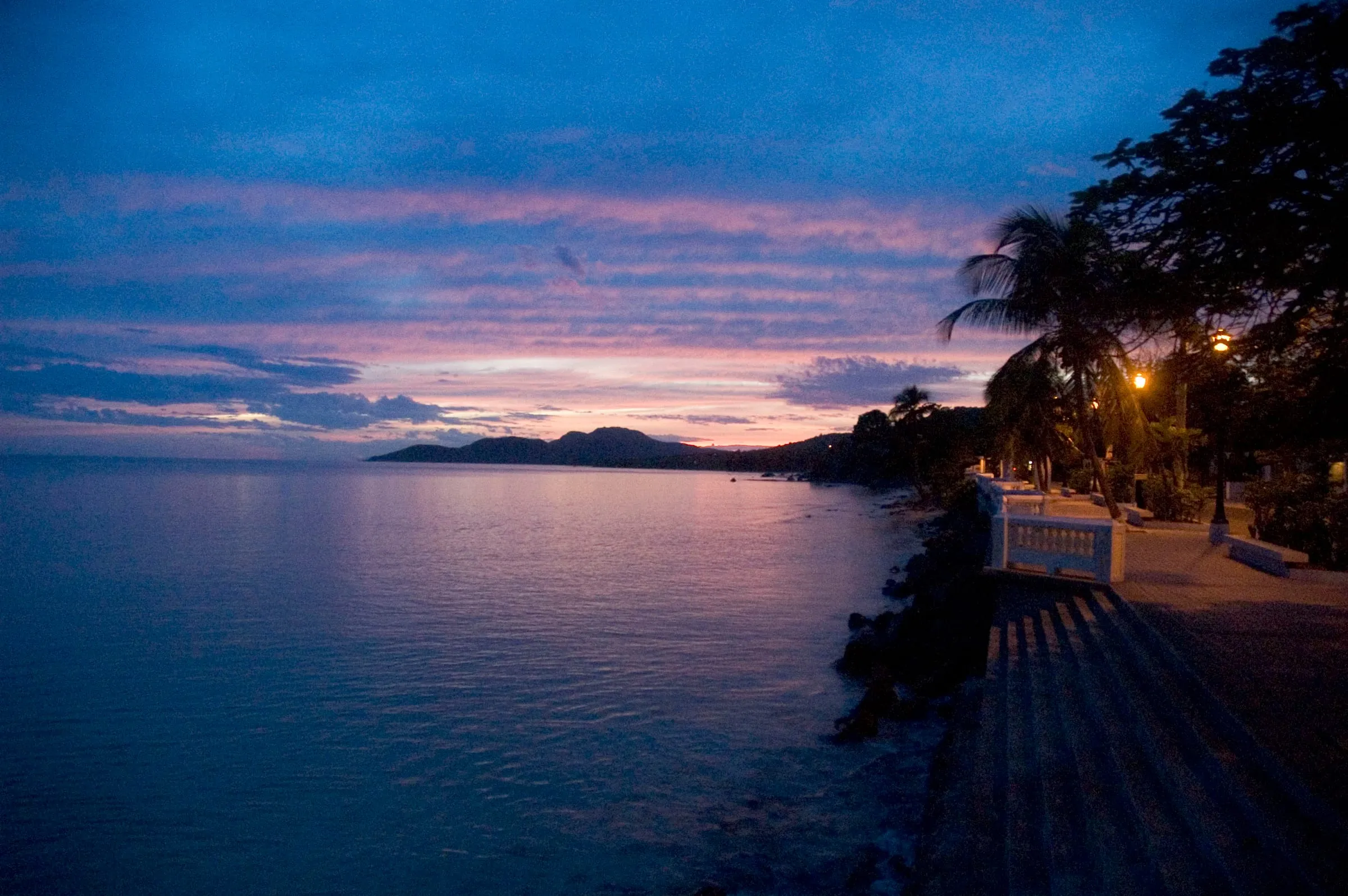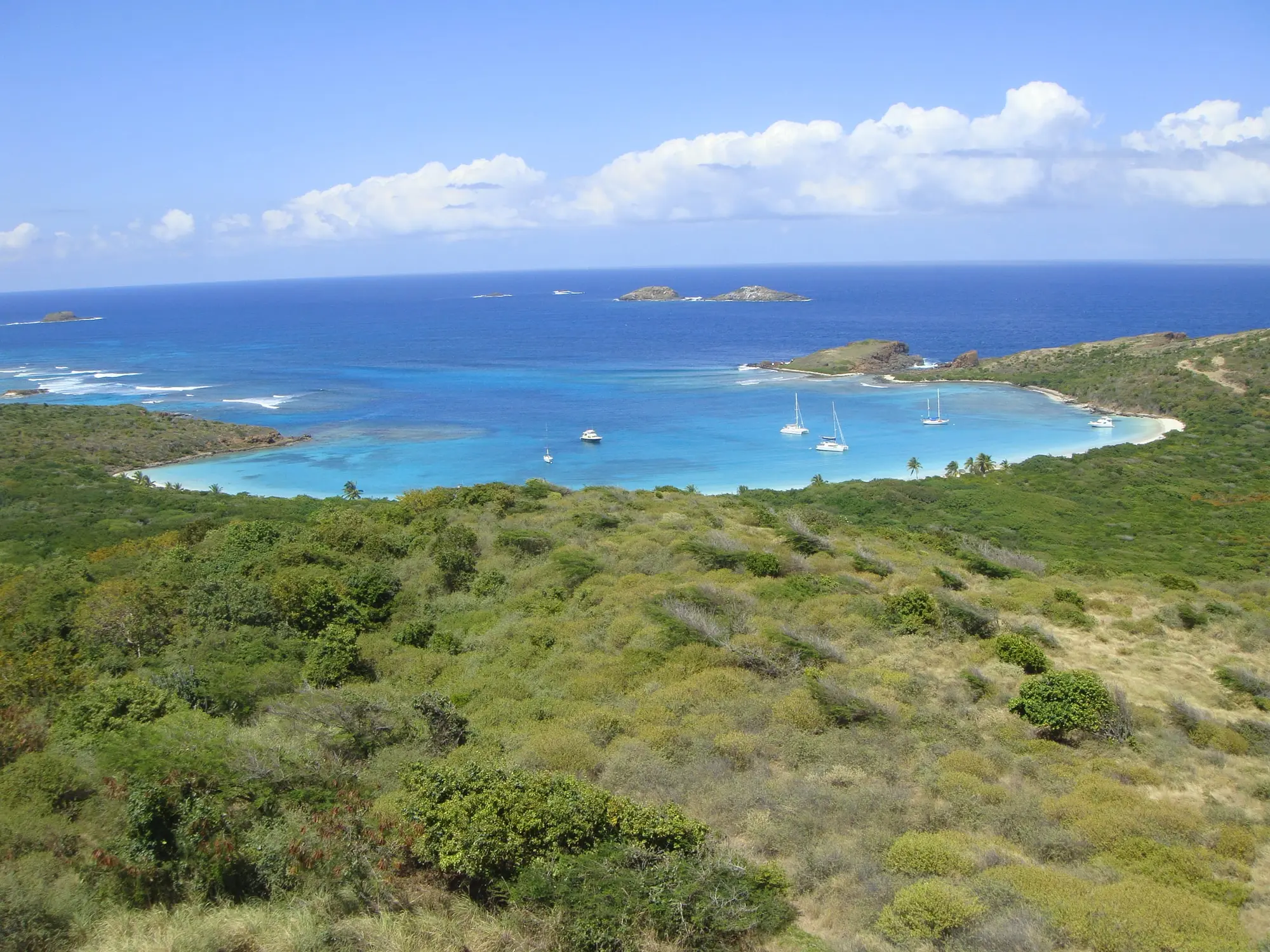
Culebrita is the small island off Culebra’s east end with the lighthouse on it, and getting there is a private arrangement rather than a scheduled trip. It also sits in a refuge that is older than most national parks and, unusually for this corner of the Caribbean, publishes actual opening hours.
What the refuge is
“Spanning 1,510 acres, the refuge encompasses 21 offshore cays surrounding the main island of Culebra”
And the history, which is genuinely remarkable:
“Established in 1909 by President Theodore Roosevelt, Culebra NWR has a rich history. The Flamenco Peninsula and the small islands within the archipelago were utilized for military training until 1975. In 1976, portions of these lands were transferred to the Commonwealth of Puerto Rico and the U.S. Fish and Wildlife Service”
It was the first site in the Caribbean designated as a federal wildlife reserve for the protection of native birds — 1909, four years before the Federal Reserve existed.
The hours, which actually exist here
“Schedule — Our public areas and hiking trails are accessible every day of the week from 6:00 AM to 6:00 PM (GMT-4).”
One sentence, unambiguous. We point it out because the Vieques refuge publishes nothing equivalent — no hours anywhere on any of its pages, for the largest refuge in the Caribbean. Same agency, same region, one publishes and one does not. The Vieques situation is covered in full here.
The refuge’s contact details are worth printing because they surprise people:
“Email: caribbeanisland@fws.gov / Phone: 305-394-2028”
305 is Miami. The physical address is Carr 250 Km 3.5, Culebra, PR 00775, but the phone number for the Caribbean islands refuge complex is in Florida.
What you can do out there
The refuge’s own list: “Hiking / Photography / Birding / Wildlife watching / Education programs / Snorkeling / Running”.
It publishes two dedicated Culebrita maps — a map of the island and a map of its trails — in its related documents, which is more cartography than Vieques manages for anywhere.
The draw, per the tourism board:
“If you want to explore beyond the main island, take a water taxi to Culebrita, a small nearby island and nature reserve. The most visited beach there is Playa Tortuga, known for its wide shoreline and clear Caribbean water. The historic Culebrita Lighthouse, built in the 1800s, is also one of the island’s most recognized landmarks.”
What you might see
“A highlight of the refuge is its role as an essential nesting site for the Sooty Tern, with over 30,000 pairs nesting on the Flamenco Peninsula”
Thirty thousand nesting pairs is not a wildlife sighting, it is a phenomenon. And the listed species:
“Notable inhabitants include the Roseate Tern, Culebra Giant Anole, Virgin Islands Tree Boa, along with the hawksbill, green, and leatherback sea turtles.”
Playa Tortuga is named for the turtles, and they are the reason the beach has a nesting season you should ask about before you spread a towel.
The hazard almost nobody mentions
The refuge publishes a document titled “Poisonous Manchineel Tree: History and Facts”, on Hippomane mancinella, in its Culebra library.
Manchineel is a small green tree, often right at the back of a Caribbean beach, whose sap blisters skin on contact. The classic injury is not eating the fruit — it is sheltering under it during a rain shower, because the runoff carries the sap. On a small cay with a sudden squall and no shade, that is exactly the mistake available to make.
Do not touch it. Do not stand under it. If you do not know what it looks like, ask whoever takes you across.
The lighthouse
The National Register of Historic Places lists it as Faro Isla de Culebritas, on the southeast part of the island, one of the lighthouses of Puerto Rico’s nineteenth-century lighthouse system. Its significant year is 1886, and it was listed on 22 October 1981.
Listing protects the history, not the visitor. It is an old, unmaintained masonry structure on an uninhabited island, and it is reported as unsafe to enter. Photograph it from outside.
Getting there
By water taxi from Culebra. There is no ferry: Puerto Rico Ferry sells San Juan–Cataño, Ceiba–Vieques and Ceiba–Culebra, and nothing else.
Two Culebra operators run daily trips:
- H2O Water Taxi — $55 a person, $30 for a child under 10, with beach chairs, an umbrella, snorkel gear and a paddle board included. It runs three windows a day — 8 a.m. to 2 p.m., 10 a.m. to 3 p.m. and 11:30 a.m. to 4:30 p.m. — and picks up guests without a car and brings them to its dock.
- Gammy’s Water Tours — daily trips to Culebrita with a US Coast Guard-certified captain, for groups of up to 12, with four departure times and snorkel gear, paddle boards and beach chairs on board. It also runs private charters.
Both are weather-dependent: settle the crossing the day before, and have a plan for the day if the sea says no.
Go early. The refuge closes at 6 p.m., the water gets up in the afternoon, and being on a cay with no facilities when your ride is delayed is the one thing worth actively avoiding.
If you want more of Culebra’s water than one cay, the tours that actually leave from the islands are sorted by where they start — which, for most things sold under Culebra’s name, is the mainland.